Veljo Tormis Connects Young People With Estonian Heritage
26 May 2026
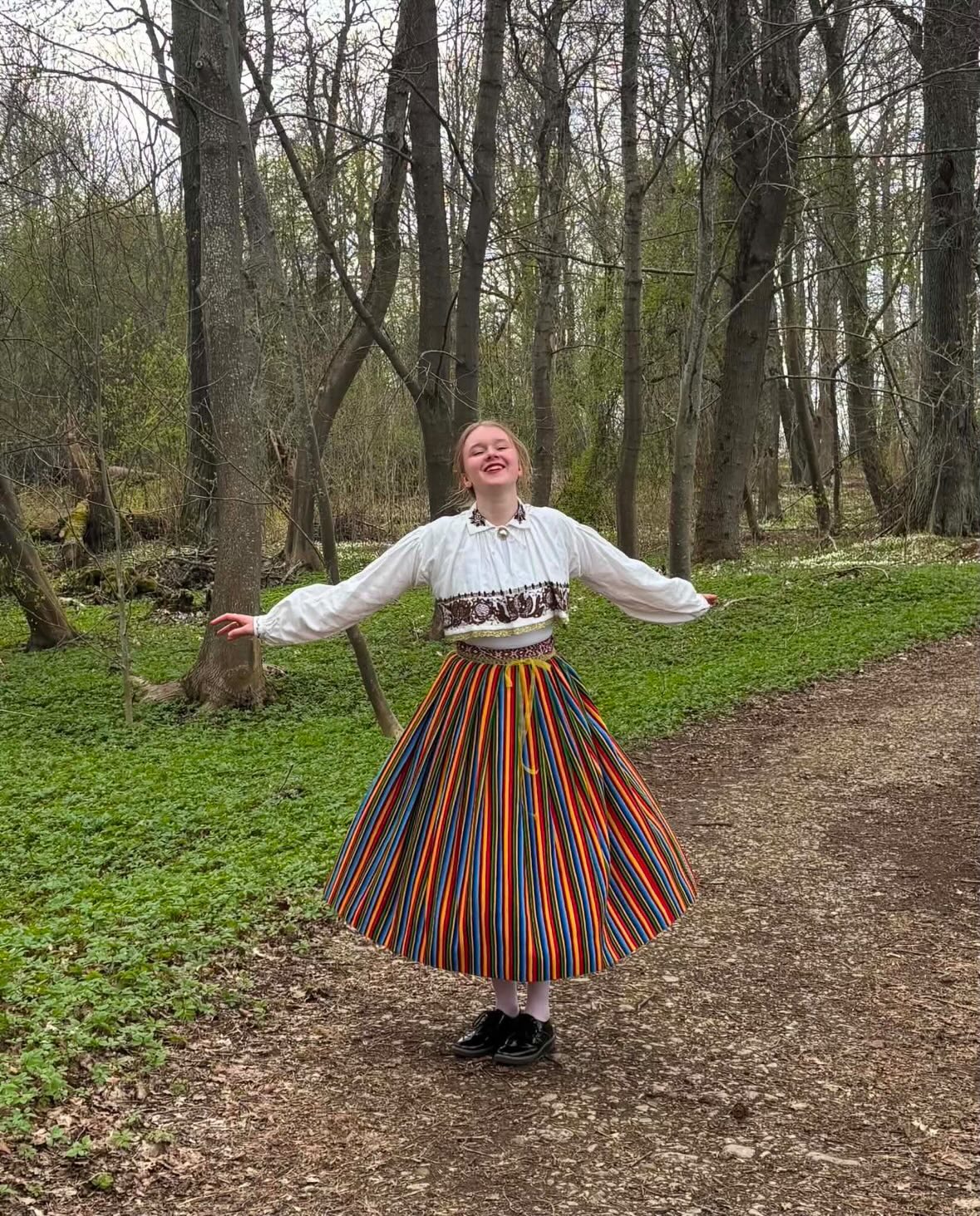
Veljo Tormis’ work helps preserve Estonian folk heritage and cultural memory while strengthening the connection to our history and identity, emphasized ETV Girls’ Choir conductor Aarne Saluveer and choir singer Emilie.
According to Saluveer, the human voice has throughout history been the most natural and personal form of self-expression. “The symbiosis of words and sound has given resonance to humanity’s spirituality throughout history and, by touching our inner strings, has given life something unique that no other art form can achieve,” said Saluveer.
In his view, folk music contains the most important foundations of all art music. “The means of expression found in folk music are the most fundamental and primary building blocks upon which all art music and its development are based,” he noted. “It is value-based, timeless musical art.”
According to Emilie, a singer in the ETV Girls’ Choir, this kind of music plays an especially important role for young people. “It is important to perform song music rooted in folk heritage and traditions so that awareness of our culture and history is preserved among both young people and singers alike,” said Emilie. “Through songs, we can become familiar with the texts of our epics, dialects, and ancient calendar traditions. The more we sing about these themes and open them up to singers, the more aware people become of their culture and history.”
The interview also highlighted that folk music does not merely carry forward old songs, but also helps modern people reflect on their identity and sense of belonging in a rapidly changing world.
The interview was conducted during the Tormis 95 choral competition, where the ETV Girls’ Choir performance of “Sampo Tagumine” (conducted by Aarne Saluveer) shared first place in the amateur choir category with the Youth Mixed Choir Vox Populi production “Kui ma kasvasin, kanake” (conducted by Janne Fridolin).